

Gold Rate in India
Gold has always held a special place in Indian households. Whether it is purchased for weddings, festivals, religious occasions, or investment purposes, gold remains one of the most trusted assets in the country. Every day, thousands of people search for the latest gold prices before making a purchase or investment decision.
On this page, you can check the latest gold rate in India, compare prices across major cities, understand the difference between 22 Carat and 24 Carat gold, learn what causes daily price fluctuations, and discover useful tips before buying gold.
We update this page regularly to help you stay informed about current gold prices across India.
Today’s Gold Rate in India
Last Updated: September 25, 2026
Gold Rate in India – September 25, 2026
Gold Purity 1 Gram 8 Grams 10 Grams 100 Grams 24 Carat (999) ₹14,600 ₹1,16,800 ₹1,46,000 ₹14,60,000 22 Carat (916) ₹13,390 ₹1,07,120 ₹1,33,900 ₹13,39,000 18 Carat (750) ₹10,950 ₹87,600 ₹1,09,500 ₹10,95,000
Note: Gold prices may vary slightly depending on the city, jeweller, making charges, taxes, and local demand.
Gold Rate Today in Top 30 Indian Cities
The following table provides a quick overview of gold rates across India’s most searched cities. Replace the placeholder prices with your daily updated values.Gold Rate Today in Top 30 Cities of India
| City | 18K Gold (10g) | 22K Gold (10g) | 24K Gold (10g) |
|---|---|---|---|
| Gold Rate in Delhi | ₹1,09,600 | ₹1,34,050 | ₹1,46,150 |
| Gold Rate in Mumbai | ₹1,09,500 | ₹1,33,900 | ₹1,46,000 |
| Gold Rate in Chennai | ₹1,09,800 | ₹1,34,300 | ₹1,46,400 |
| Gold Rate in Kolkata | ₹1,09,500 | ₹1,33,900 | ₹1,46,000 |
| Gold Rate in Hyderabad | ₹1,09,500 | ₹1,33,900 | ₹1,46,000 |
| Gold Rate in Bangalore | ₹1,09,550 | ₹1,34,000 | ₹1,46,100 |
| Gold Rate in Pune | ₹1,09,500 | ₹1,33,900 | ₹1,46,000 |
| Gold Rate in Ahmedabad | ₹1,09,600 | ₹1,34,050 | ₹1,46,150 |
| Gold Rate in Jaipur | ₹1,09,600 | ₹1,34,050 | ₹1,46,150 |
| Gold Rate in Lucknow | ₹1,09,600 | ₹1,34,050 | ₹1,46,150 |
| Gold Rate in Chandigarh | ₹1,09,600 | ₹1,34,050 | ₹1,46,150 |
| Gold Rate in Surat | ₹1,09,550 | ₹1,33,950 | ₹1,46,050 |
| Gold Rate in Indore | ₹1,09,550 | ₹1,34,000 | ₹1,46,100 |
| Gold Rate in Nagpur | ₹1,09,550 | ₹1,33,950 | ₹1,46,050 |
| Gold Rate in Bhopal | ₹1,09,550 | ₹1,34,000 | ₹1,46,100 |
| Gold Rate in Patna | ₹1,09,600 | ₹1,34,050 | ₹1,46,150 |
| Gold Rate in Kanpur | ₹1,09,600 | ₹1,34,050 | ₹1,46,150 |
| Gold Rate in Ludhiana | ₹1,09,600 | ₹1,34,050 | ₹1,46,150 |
| Gold Rate in Agra | ₹1,09,600 | ₹1,34,050 | ₹1,46,150 |
| Gold Rate in Nashik | ₹1,09,550 | ₹1,33,950 | ₹1,46,050 |
| Gold Rate in Rajkot | ₹1,09,550 | ₹1,33,950 | ₹1,46,050 |
| Gold Rate in Vadodara | ₹1,09,550 | ₹1,33,950 | ₹1,46,050 |
| Gold Rate in Coimbatore | ₹1,09,750 | ₹1,34,250 | ₹1,46,350 |
| Gold Rate in Madurai | ₹1,09,750 | ₹1,34,250 | ₹1,46,350 |
| Gold Rate in Mysore | ₹1,09,550 | ₹1,34,000 | ₹1,46,100 |
| Gold Rate in Visakhapatnam | ₹1,09,500 | ₹1,33,900 | ₹1,46,000 |
| Gold Rate in Vijayawada | ₹1,09,500 | ₹1,33,900 | ₹1,46,000 |
| Gold Rate in Guwahati | ₹1,09,650 | ₹1,34,100 | ₹1,46,200 |
| Gold Rate in Ranchi | ₹1,09,600 | ₹1,34,050 | ₹1,46,150 |
| Gold Rate in Thiruvananthapuram | ₹1,09,800 | ₹1,34,300 | ₹1,46,400 |
What is the Gold Rate?
The gold rate refers to the current market price of gold based on its purity and weight. In India, gold is commonly quoted per gram and per 10 grams. The price changes throughout the day due to fluctuations in international gold markets, exchange rates, import duties, and domestic demand.
Although gold prices remain similar across most Indian cities, slight differences can occur because of transportation costs, local taxes (where applicable), and jewellers’ pricing policies.
Difference Between 24K, 22K and 18K Gold
Understanding gold purity helps buyers choose the right type of gold for jewellery or investment.
24 Carat Gold (99.9% Pure)
24K gold is the purest form of gold available. Since it is extremely soft, it is generally not used for making intricate jewellery. Instead, it is preferred for gold bars, coins, and investment purposes.
Best for:
- Gold investment
- Gold coins
- Gold bars
- Long-term wealth preservation
22 Carat Gold (91.6% Pure)
22K gold contains 91.6% pure gold mixed with small amounts of other metals such as copper, silver, or zinc. This additional strength makes it suitable for crafting jewellery.
Best for:
- Wedding jewellery
- Daily wear ornaments
- Traditional Indian jewellery
- Bridal collections
18 Carat Gold (75% Pure)
18K gold contains 75% gold and 25% alloy metals. It is more durable than 22K and is widely used in designer jewellery, diamond jewellery, and contemporary ornaments.
Best for:
- Diamond jewellery
- Modern jewellery
- Fashion accessories
- Daily office wear
Why Does the Gold Price Change Every Day?
Gold prices do not remain constant. Several domestic and international factors influence daily movements in gold rates.
Some of the major reasons include:
- Global demand and supply
- US Dollar exchange rate
- Rupee vs Dollar movement
- International bullion market
- Central bank gold reserves
- Inflation
- Interest rate decisions
- Import duty changes
- GST regulations
- Festival and wedding season demand
- Geopolitical tensions
- Economic uncertainty
During periods of market volatility, investors often move their money into gold because it is considered a relatively stable asset. This increased demand can push prices higher.
Why Gold Rates Differ Across Indian Cities
Many buyers are surprised to see that gold prices are not always exactly the same across different cities. Although the international gold price is common, several local factors influence the final retail price you pay.
1. Transportation and Logistics
Gold imported into India is distributed to different states through wholesalers and authorized dealers. Transportation, insurance, storage, and logistics costs can vary slightly, affecting local prices.
2. Local Demand and Supply
Cities with consistently high jewellery demand, such as Chennai, Hyderabad, Mumbai, and Delhi, often experience slight price variations during peak wedding and festival seasons. Increased demand can push local retail prices marginally higher.
3. Jeweller’s Pricing Policy
Every jeweller decides their own making charges, wastage charges, and service fees. While the base gold rate remains similar, the final invoice amount can vary significantly between stores.
4. Import Duty and Government Taxes
The Government of India periodically revises customs duty on imported gold. Such changes directly affect gold prices nationwide. Additionally, GST and other applicable charges influence the final purchase cost.
5. Currency Exchange Rate
India imports a large portion of its gold. Therefore, fluctuations in the Indian Rupee against the US Dollar directly impact domestic gold prices. A weaker Rupee generally makes imported gold more expensive.
What is BIS Hallmark Gold?
One of the most important things to check before purchasing gold jewellery is whether it carries the Bureau of Indian Standards (BIS) Hallmark.
A BIS Hallmark confirms that the jewellery meets prescribed purity standards and has been officially tested by an authorized hallmarking centre.
Buying hallmarked jewellery offers several advantages:
- Assurance of purity
- Better resale value
- Greater transparency
- Consumer protection
- Easier exchange at jewellery stores
BIS Hallmark Identification
A genuine BIS Hallmarked jewellery item generally includes:
- BIS Logo
- Purity Mark (22K916, 18K750, 24K999 etc.)
- Six-digit Hallmark Unique Identification (HUID)
- Assaying Centre Identification
- Jeweller Identification Mark
Always verify the HUID number before making a purchase.
Understanding Making Charges
Many first-time buyers assume they only pay for the gold itself. However, jewellery prices also include making charges.
Making charges refer to the labour cost involved in designing and crafting jewellery.
They may be charged:
- Per gram
- As a fixed amount
- As a percentage of gold value
Typical making charges range between 5% and 30%, depending on the complexity of the jewellery design.
Designer bridal jewellery usually attracts higher making charges than simple ornaments.
Always compare making charges before purchasing jewellery.
Gold Investment Options in India
Gold is not only purchased as jewellery. Today, investors have multiple ways to invest in gold depending on their financial goals.
1. Physical Gold Jewellery
This remains the most popular option among Indian families.
Advantages
- Easy to purchase
- Useful during weddings and festivals
- Emotional and cultural value
- Can be pledged for loans
Disadvantages
- Making charges
- Storage concerns
- Risk of theft
- Lower resale value after deductions
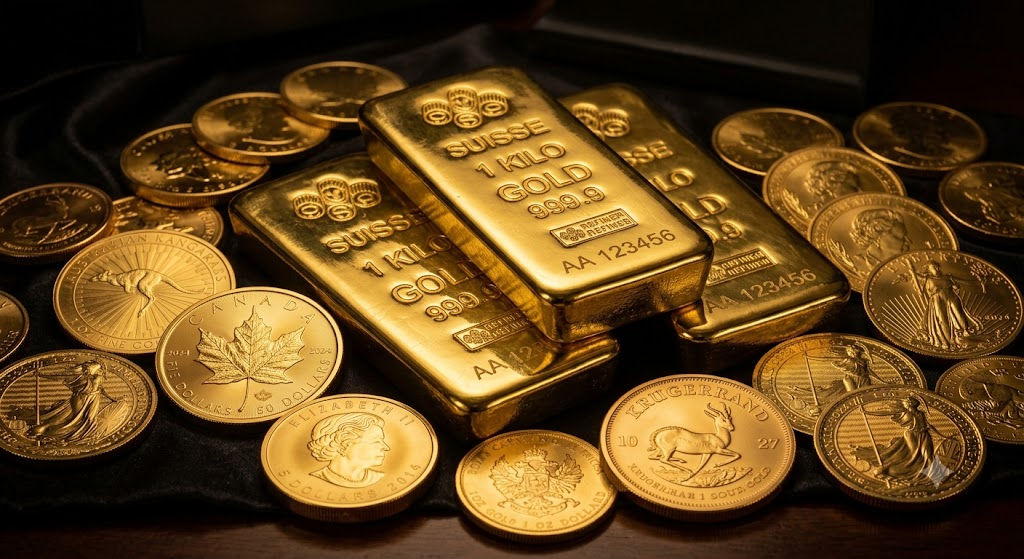
2. Gold Coins and Bars
Many banks and jewellers sell certified gold coins and bars.
Best For
- Long-term investment
- Wealth preservation
- Gifting
Since they generally have lower making charges than jewellery, they are considered a better investment option.
3. Gold Exchange Traded Funds (Gold ETFs)
Gold ETFs allow investors to buy gold electronically through stock exchanges without holding physical gold.
Benefits
- No storage issues
- High liquidity
- Easy buying and selling
- Market-linked pricing
Ideal for investors who prefer digital investments.
4. Digital Gold
Digital Gold enables investors to purchase even small quantities of gold online through various financial platforms.
Benefits
- Investment starts with a small amount
- Convenient online transactions
- Secure storage by service providers
- Easy redemption
Digital Gold has become increasingly popular among young investors.
5. Sovereign Gold Bonds (SGB)
Sovereign Gold Bonds are issued by the Reserve Bank of India on behalf of the Government of India.
These bonds offer:
- Interest income
- Market-linked gold returns
- No storage cost
- Sovereign guarantee
- Tax benefits on maturity (subject to prevailing tax rules)
Many financial experts consider SGBs among the most efficient long-term gold investment options when new issues are available.
Best Time to Buy Gold
Although predicting the perfect time to purchase gold is impossible, buyers generally monitor several indicators before making a decision.
You may consider buying when:
- Gold prices witness a temporary correction
- Inflation is relatively stable
- The Rupee strengthens against the US Dollar
- International gold prices decline
- Wedding season demand is relatively low
- Festive offers reduce making charges
Long-term investors often follow the strategy of purchasing gold gradually instead of investing a large amount at once.
How to Check Gold Purity Before Buying
Before making any purchase, verify the following:
✔ BIS Hallmark present
✔ Correct purity mark
✔ HUID number available
✔ Proper purchase invoice
✔ Weight verification
✔ GST mentioned separately
✔ Making charges clearly specified
✔ Buy only from reputed jewellers
Following these simple checks can help protect you from purchasing under-purity jewellery.
Gold Rate Trend in India
Gold has historically been considered one of the most reliable assets during periods of economic uncertainty.
Over the years, gold prices have generally shown an upward trend, although short-term fluctuations are common.
Several global developments influence gold prices, including:
- Inflation
- Interest rate announcements
- Global recession fears
- International conflicts
- Central bank purchases
- Crude oil prices
- US Federal Reserve policies
- Currency market movements
Because of these factors, many investors include gold as part of a diversified investment portfolio.
Common Mistakes to Avoid While Buying Gold
Many buyers unknowingly pay more than necessary due to avoidable mistakes. Keeping the following points in mind can help you make a better purchase.
- Buying without comparing today’s gold rate.
- Ignoring BIS Hallmark certification.
- Overlooking making charges.
- Not asking for a detailed invoice.
- Purchasing from unauthorized sellers.
- Buying jewellery solely for investment purposes.
- Ignoring resale policies.
- Failing to compare prices across multiple jewellers.
- Not checking the purity mark.
- Making impulsive purchases during price spikes.
Gold Buying Tips for First-Time Buyers
If you are purchasing gold for the first time, these practical tips can help:
- Compare prices from multiple reputed jewellers.
- Verify the latest gold rate before visiting the store.
- Choose BIS Hallmarked jewellery.
- Understand making and wastage charges.
- Keep the purchase invoice safely.
- Prefer digital payment records.
- Buy from trusted brands or authorized local jewellers.
- Consider coins or bars if your primary objective is investment.
- Review exchange and buyback policies.
- Avoid making decisions based solely on short-term price movements.
Frequently Asked Questions (FAQs) About Gold Rate in India
1. What is the gold rate today in India?
The gold rate in India changes every day based on international bullion prices, the Indian Rupee’s exchange rate against the US Dollar, import duties, and local demand. The latest prices for 22K and 24K gold are updated regularly on this page.
2. Why does the gold price change every day?
Gold prices fluctuate due to several global and domestic factors, including international market movements, inflation, currency exchange rates, central bank policies, import duties, and investor demand.
3. Which gold is better: 22K or 24K?
24K gold is nearly 99.9% pure and is mainly used for investment in coins and bars. 22K gold contains 91.6% pure gold and is more durable, making it the preferred choice for jewellery.
4. Is 24 Carat gold suitable for jewellery?
Pure 24K gold is very soft and can bend easily. For this reason, most jewellery is made using 22K gold, which is stronger because it is mixed with other metals.
5. What is the difference between 22K and 24K gold?
24K gold has higher purity but lower durability. 22K gold is slightly less pure but much stronger and ideal for making ornaments.
6. Why are gold rates different in different cities?
Although the international gold price is the same, retail prices vary because of transportation costs, local demand, logistics, jewellers’ pricing policies, and making charges.
7. What is BIS Hallmarked Gold?
BIS Hallmarked gold is jewellery certified by the Bureau of Indian Standards, confirming that it meets prescribed purity standards and includes a unique Hallmark Identification (HUID).
8. What does 916 gold mean?
916 gold refers to 22 Carat gold, which contains 91.6% pure gold and is commonly used for jewellery across India.
9. What is 999 gold?
999 gold represents 24 Carat gold with approximately 99.9% purity and is mainly used for investment-grade gold bars and coins.
10. Which is the best gold for investment?
For long-term investment, many investors prefer:
- Gold Coins
- Gold Bars
- Gold ETFs
- Sovereign Gold Bonds (SGBs)
- Digital Gold
These options generally have lower making charges than jewellery.
11. What are making charges?
Making charges are the labour costs involved in crafting gold jewellery. They vary depending on the jewellery design and the jeweller’s pricing policy.
12. Can I buy gold online?
Yes. Many reputed jewellers and financial platforms allow customers to buy gold online in the form of jewellery, digital gold, coins, or bars.
13. Is digital gold safe?
Digital gold offered by reputed providers allows investors to buy and store gold electronically. Before investing, always review the provider’s terms, storage arrangements, and applicable regulations.
14. Which city has the lowest gold price?
Gold prices are generally similar across India. Minor differences may occur because of local demand, logistics, and jewellers’ pricing.
15. What is the GST on gold?
At present, gold purchases attract GST according to the prevailing government regulations. Always check the latest tax rules before purchasing.
16. Does the gold price include making charges?
No. The quoted gold rate usually represents the value of gold only. Jewellery purchases typically include additional making charges and applicable taxes.
17. Is gold a good long-term investment?
Gold has historically been considered a store of value and a hedge against inflation. While prices fluctuate in the short term, many investors include gold as part of a diversified long-term portfolio.
18. When is the best time to buy gold?
There is no guaranteed best time. Buyers often compare prices, monitor market trends, and purchase gradually instead of trying to predict the exact lowest price.
19. How can I check gold purity?
Check for:
- BIS Hallmark
- HUID number
- Purity mark (999, 916, 750)
- Proper purchase invoice
- Reputed jeweller
20. Is today’s gold rate the same across all jewellers?
No. While the base market rate is similar, the final price may differ because of making charges, wastage, offers, and the jeweller’s pricing policy.
21. Can I exchange old gold for new jewellery?
Yes. Most jewellers offer exchange programs, but the value depends on purity, weight, and the jeweller’s exchange policy.
22. Does gold become cheaper during festivals?
Not necessarily. While some jewellers may reduce making charges or offer promotional discounts, the market price of gold itself depends on broader economic factors.
23. How often is the gold rate updated?
Gold prices can change multiple times during trading hours. For the most accurate information, check the latest update time displayed on this page.
24. Why is gold considered a safe-haven asset?
During periods of inflation, market volatility, or geopolitical uncertainty, many investors buy gold to preserve value, which is why it is often referred to as a safe-haven asset.
25. Where can I check city-wise gold prices in India?
You can explore our dedicated city pages to find the latest 22K and 24K gold rates, historical trends, and buying information for major cities across India.
Gold Rate Glossary
Understanding common gold-related terms can make it easier to compare prices and make informed decisions.
| Term | Meaning |
|---|---|
| 24K Gold | Gold with 99.9% purity, mainly used for investment. |
| 22K Gold | Gold with 91.6% purity, commonly used for jewellery. |
| 18K Gold | Gold with 75% purity, often used in diamond and designer jewellery. |
| BIS Hallmark | Official certification verifying gold purity. |
| HUID | Hallmark Unique Identification number assigned to certified jewellery. |
| Making Charges | Labour cost for designing and manufacturing jewellery. |
| Gold ETF | Exchange Traded Fund that tracks gold prices without physical ownership. |
| Digital Gold | Gold purchased and stored electronically through authorized platforms. |
| Sovereign Gold Bond (SGB) | Government-backed bond linked to the price of gold. |
| Bullion | Physical gold in the form of bars or coins used for investment. |